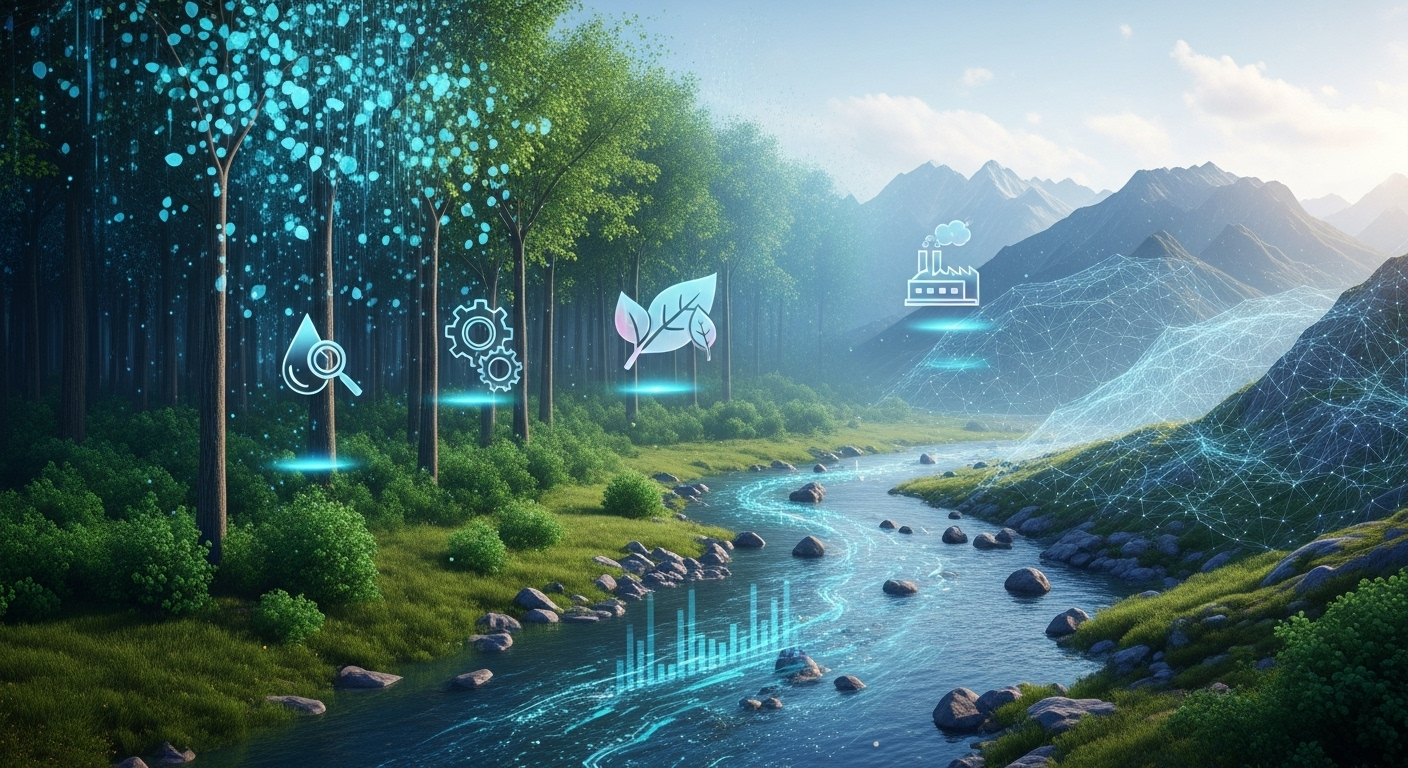
환경 산업과 인공지능
지속 가능한 미래를 위해 전 세계가 환경 산업의 혁신을 추구하고 있다. 그 중심에는 인공지능(AI)이 있다. AI는 기후 데이터 분석, 대기오염 예측, 자원 순환 효율화, 에너지 관리 등 다양한 분야에서 환경 문제 해결의 핵심 기술로 활용되고 있다. 인간의 감시와 통제만으로 불가능했던 환경 변화를 데이터 기반으로 이해하고, 대응 속도를 높이면서 녹색 산업의 새로운 방향을 제시하고 있다.
AI는 대기와 기후 데이터를 분석하는 가장 강력한 도구다. 수많은 센서, 위성, IoT 기기에서 수집된 데이터를 바탕으로 AI는 온도, 습도, 오염물질, 탄소 농도 등을 실시간으로 분석하여 이상 변화를 조기에 감지한다. 세계기상기구(WMO)는 AI를 기후 예측 시뮬레이션에 적용해 기존 모델보다 40퍼센트 빠른 예측을 수행하고 있으며, 한국 기상청 역시 AI 기반 집중호우·폭염 예측 시스템을 운영 중이다.
산업 현장에서 AI는 에너지 절약과 탄소 감축의 핵심 역할을 한다. 공장은 AI를 활용해 설비 데이터를 분석하고, 전력 사용 패턴을 예측해 불필요한 에너지 낭비를 줄인다. 포스코는 제철소 생산라인에 AI를 적용해 온도와 압력 변화를 실시간으로 제어하며 연간 이산화탄소 배출량을 7퍼센트 절감했다. 현대자동차 역시 공장 내 스마트 에너지 관리 시스템을 통해 생산 효율을 높이고 있다.
AI는 또 폐기물 관리에도 적용되고 있다. 재활용 분류 과정에서 AI 비전 시스템이 플라스틱, 금속, 유리를 자동 식별하여 선별 효율을 향상시킨다. 유럽의 스타트업 ‘AMP 로보틱스(AMP Robotics)’는 AI 로봇을 이용해 초당 수십 개의 폐기물을 분류하며, 기존 대비 2배 이상의 재활용률을 기록했다. 한국에서도 수도권매립지관리공사가 비전 AI 분류로봇을 도입해 스마트 자원 순환센터를 운영 중이다.
수질 관리에서도 AI의 역할이 커지고 있다. 하천과 정수장의 센서에서 수집되는 데이터를 AI가 분석해 오염원의 위치와 확산 속도를 계산한다. 이를 통해 오염이 확산되기 전 신속한 대응이 가능하다. 싱가포르는 AI를 활용해 주요 수자원 시설의 염도, 탁도, 수온을 예측하고, 정화 과정을 자동 제어한다. 이러한 시스템 덕분에 수질 이상 경보 대응 시간이 30퍼센트 단축되었다.
AI는 에너지 산업과도 밀접하게 연결되어 있다. 태양광 발전에서는 AI가 날씨와 일사량을 분석해 발전량을 실시간으로 조정하고, 풍력 발전소는 AI가 바람의 방향과 강도를 분석해 발전 효율을 높인다. 구글은 데이터센터 전력 소비를 AI가 조정해 냉각 에너지를 40퍼센트 절약했으며, 한국전력은 AI를 활용해 전력 수요를 예측하는 스마트 그리드 시스템을 운영 중이다.
AI 기반의 환경 산업은 새로운 경제적 가치도 창출한다. 재생에너지 관리, 자원 순환, 환경 감시 등의 영역에서 AI 기술을 기반으로 한 ‘그린테크(Green Tech)’ 기업들이 급속히 성장 중이다. 2025년 기준 글로벌 환경 AI 시장 규모는 약 200억 달러에 이를 것으로 예상된다. 이는 기술 발전과 함께 환경이 단순한 규제가 아니라 ‘성장의 동력’으로 변하고 있음을 의미한다.
그러나 AI의 확산은 역설적인 문제도 안고 있다. AI 모델을 학습시키기 위한 데이터센터 자체가 막대한 전력을 소비하기 때문이다. 이에 따라 각국은 ‘그린 AI’ 전략을 추진하며, 고효율 프로세서와 재생에너지 전력 공급을 통해 AI의 탄소발자국을 줄이려는 노력을 강화하고 있다.
AI는 환경 보호를 위한 인간의 동반자다. 기술의 목표는 단순히 데이터를 분석하는 것이 아니라, 인간이 자연과 조화를 이루며 지속 가능한 사회를 설계하도록 돕는 것이다. 인공지능은 지구를 관찰하고 이해하는 도구를 넘어, 환경 산업 전체를 녹색 혁신으로 이끄는 엔진으로 작동하고 있다.
면책 고지
본 블로그의 글은 단순한 참고 자료로 제공되는 것으로, 어떠한 법적·재정적·전문적 책임도 발생하지 않습니다. 제시된 정보의 정확성, 완전성 및 최신성은 보장되지 않으며, 본 자료에 기초하여 행해진 모든 행위에 대한 책임은 전적으로 이용자 본인에게 있습니다. 보다 신뢰할 수 있는 정확한 정보를 원하실 경우, 반드시 관련 공식 사이트 및 전문 자료를 확인하시기 바랍니다.
AI in the Environmental Industry
Artificial intelligence is revolutionizing the environmental industry by transforming how we monitor, predict, and respond to ecological challenges. From air quality control to resource recycling, AI has become the analytical engine driving global sustainability.
AI’s vast data-processing capabilities make it indispensable for environmental monitoring. Satellites and IoT sensors feed live data on air composition and weather, allowing AI models to detect anomalies in temperature, pollution, and atmospheric chemistry. These insights help governments predict extreme weather events and design proactive environmental policies.
In industry, AI enables energy efficiency and emissions reduction. By analyzing operational data, smart factories can anticipate machinery needs and optimize energy use. Steel giant POSCO uses AI to regulate furnace temperatures and pressures, cutting carbon emissions by 7 percent annually.
AI-driven waste management is also creating impact. Computer vision platforms such as AMP Robotics use image recognition to accurately sort recyclable materials at high speed. This automation has doubled efficiency compared to manual processing, enabling circular economy initiatives worldwide.
Water quality management benefits significantly as well. AI systems track pH, turbidity, and chemical contaminants in rivers and treatment plants, forecasting potential contamination before it spreads. Singapore’s water infrastructure now employs AI for real-time filtration control, reducing response times by 30 percent.
Energy production is becoming smarter with AI, especially in renewables. Machine learning optimizes solar and wind turbine output by analyzing sunlight, weather, and wind conditions. Google cut cooling energy use at its data centers by 40 percent through AI regulation, while South Korea’s smart grid leverages AI to predict and distribute power demand efficiently.
This green transformation is also spawning a new economic sector. Global investments in AI-powered environmental technologies are expected to reach 20 billion dollars by 2025, establishing sustainability as a core engine of industrial growth.
Still, environmental AI brings paradoxes. The computational power needed for AI training consumes enormous electricity, potentially offsetting ecological gains. To address this, “Green AI” initiatives focus on renewable-powered data centers and energy-efficient algorithms.
AI is not merely an analytical tool but a collaborator in humanity’s environmental mission. When technology and ecology converge, we gain the ability not only to protect nature but to live in balance with it. AI, in essence, is becoming the nervous system of a sustainable planet.
Disclaimer
This document is provided solely for informational and reference purposes, and does not create any legal, financial, or professional liability. No guarantee is made regarding the accuracy, completeness, or timeliness of the information provided, and any actions taken based on this document are the sole responsibility of the user. For more reliable and accurate information, please consult the relevant official websites and professional sources.
环境产业与人工智能
人工智能正在推动环境产业的深度变革。从气候预测到资源回收,AI正成为应对全球生态挑战的核心技术。
AI能够实时处理卫星与传感器采集的气象与污染数据,以更高精度预测极端天气与空气质量变化。各国气象机构利用AI模型提升气候模拟效率,使预警时间提前。
在工业领域,AI用于能源管理与减排。韩国POSCO钢铁厂通过AI调节炉温与压力,每年减少7%的二氧化碳排放。现代汽车的智能能耗管理系统提升了生产与节能效率。
AI还使废物管理更高效。AMP Robotics公司利用机器视觉快速识别并分类可回收物,使回收率翻倍。韩国首都圈垃圾处理中心也已部署AI分拣机器人。
在水质管理方面,AI分析河流和净水厂数据,预测污染源传播。新加坡利用AI优化净水系统控制,使反应时间缩短30%。
AI在可再生能源领域同样发挥重要作用。通过监测天气与光照,AI自动调整太阳能与风能发电输出,提高利用率并降低成本。谷歌的数据中心凭AI减少40%的制冷能耗。
然而,AI的运算能耗问题不容忽视。各国正推进“绿色AI”政策,使用再生能源数据中心与高效算法以减轻能源负担。
环境AI不仅是技术创新,更是人类与地球共生的新模式。它让我们能够以智能方式守护自然,实现可持续发展的未来。
免责声明
本文件仅作为参考资料提供,不承担任何法律、财务或专业责任。 对所提供信息的准确性、完整性及时效性不作任何保证,基于本文件所采取的任何行为均由使用者自行承担全部责任。 如需获取更可靠和准确的信息,请务必查阅相关官方网站及专业资料。